PartnerIl Prisma Milano - Wilford Schupp Stuttgart
PlaceMelsungen, Germany
FieldArchitecture
BBraun
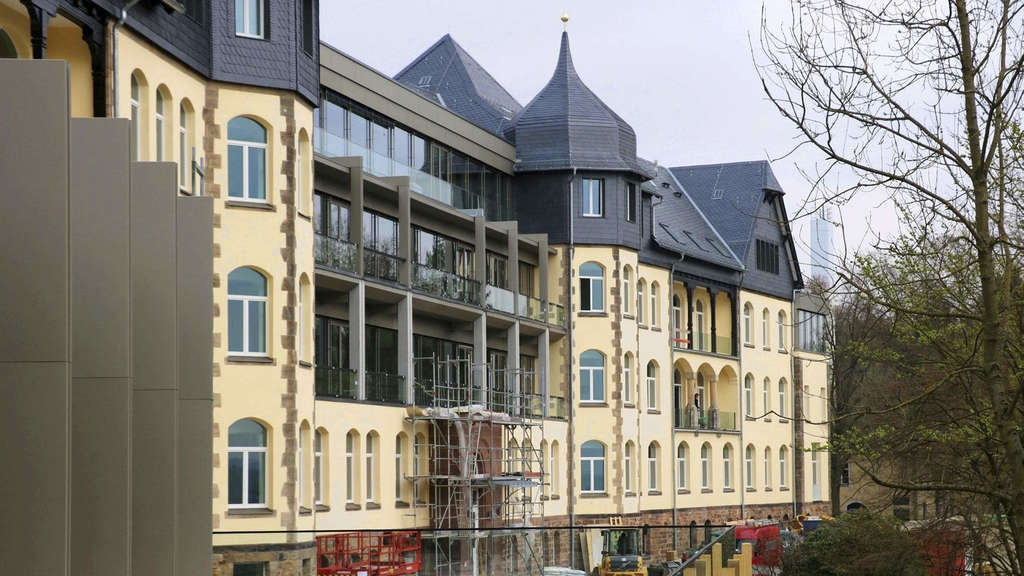
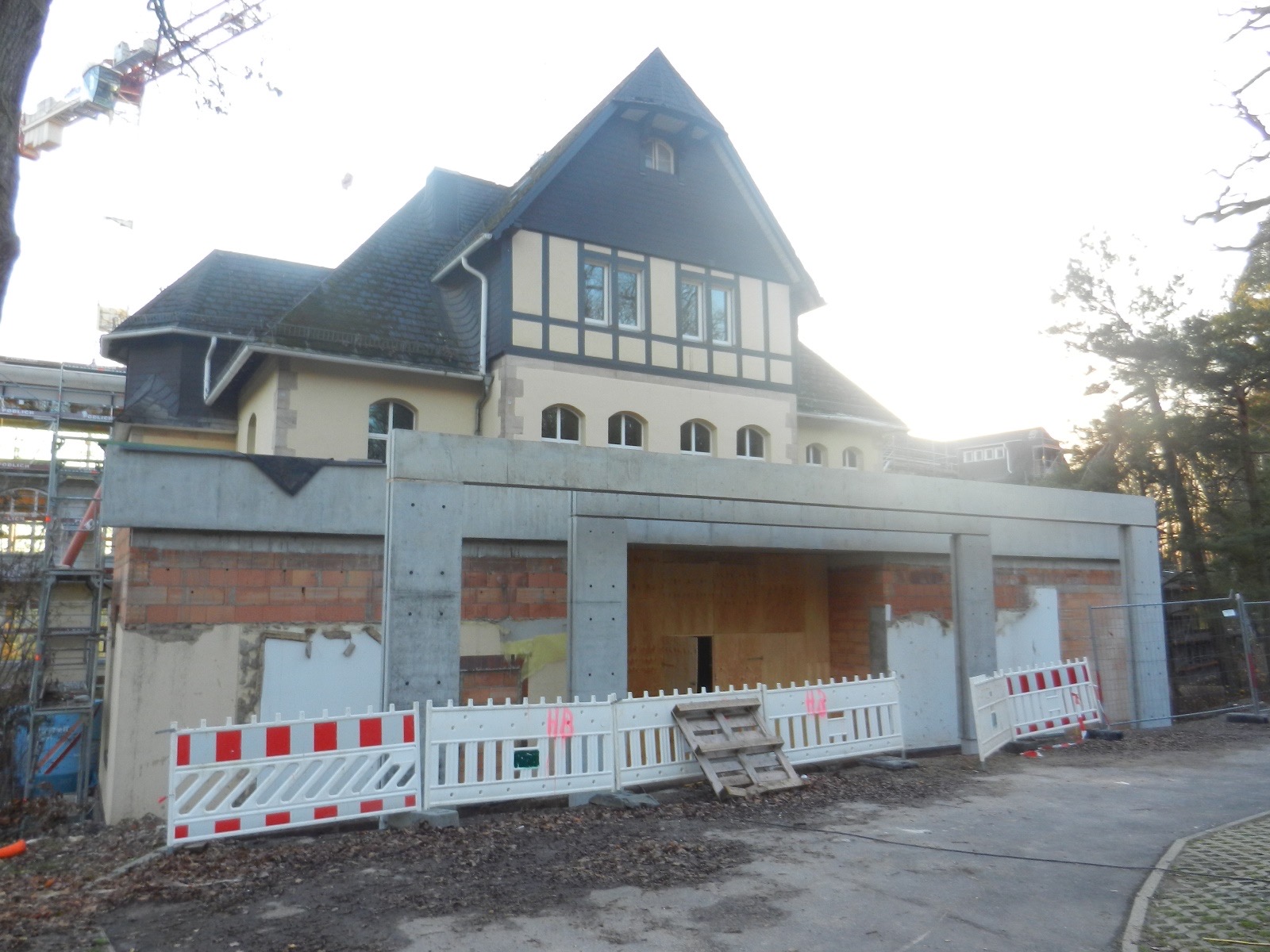
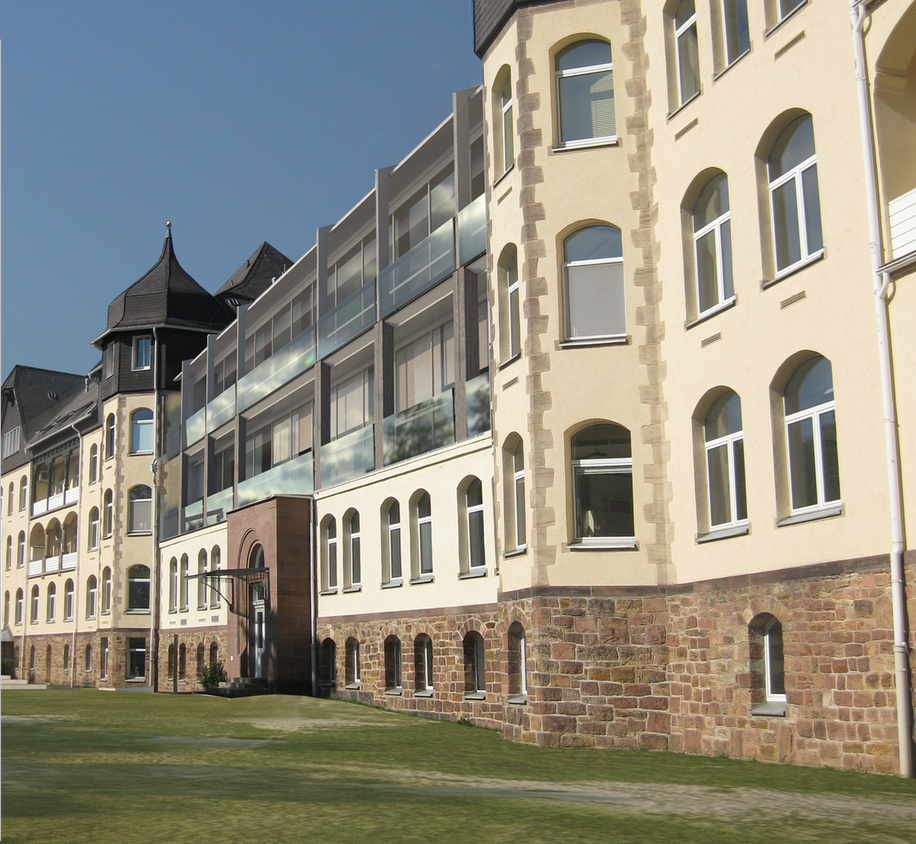
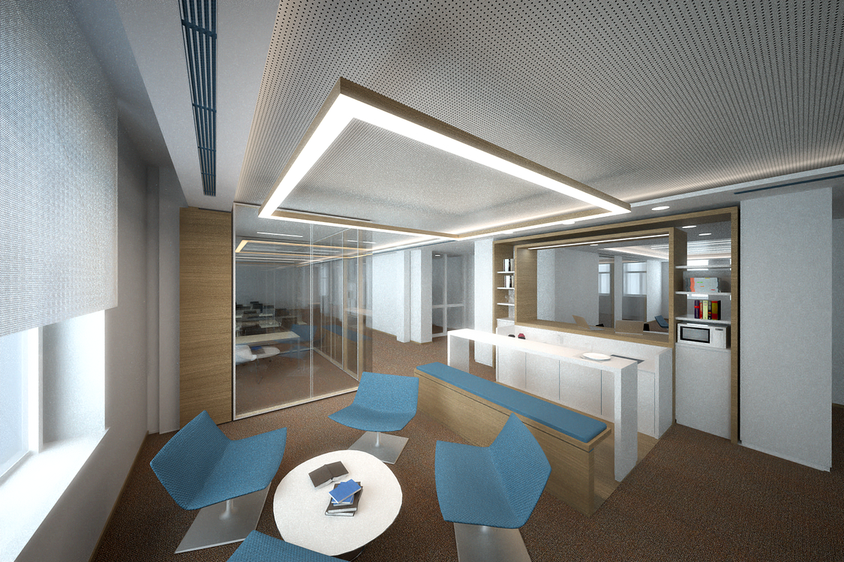
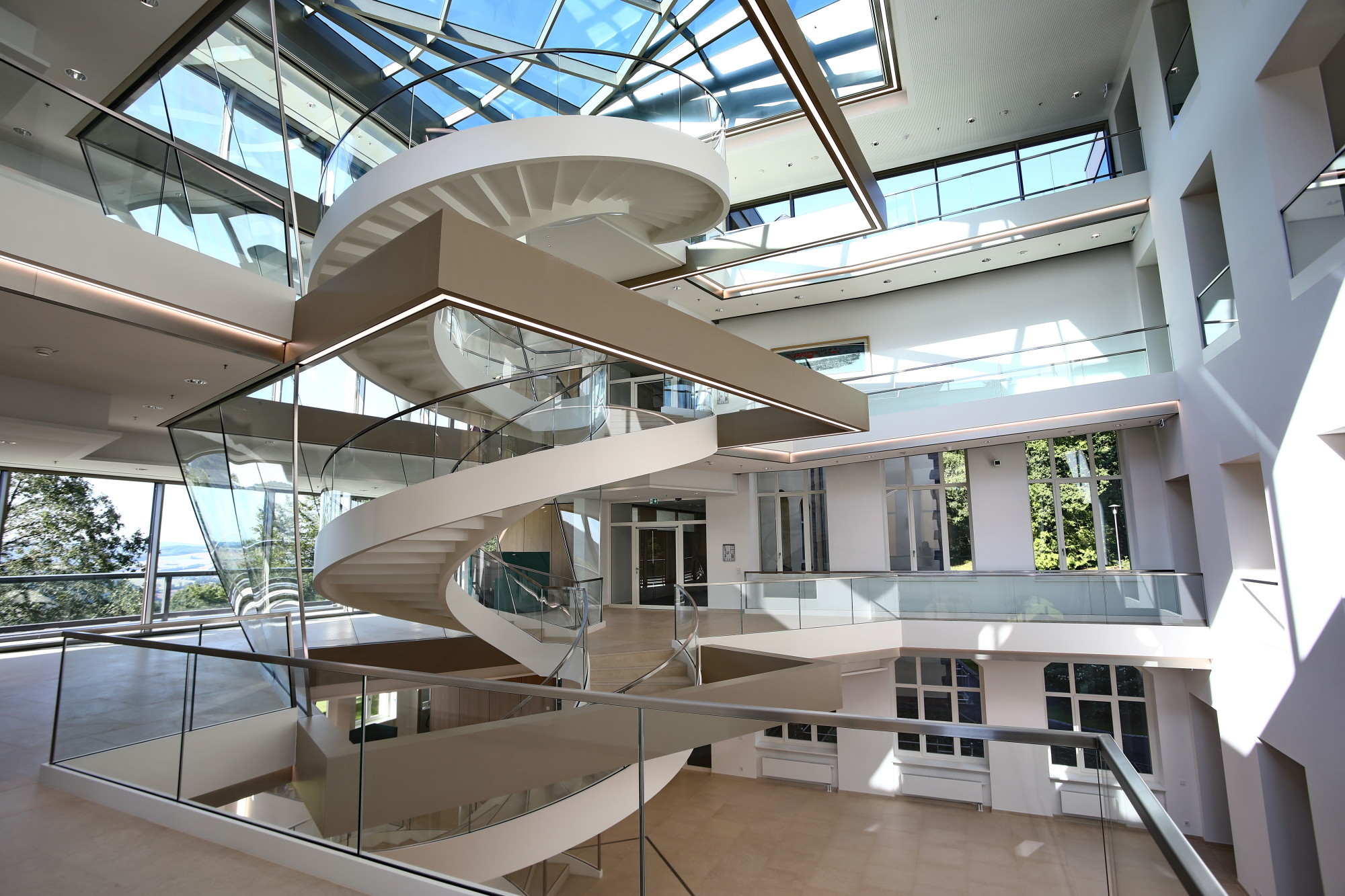
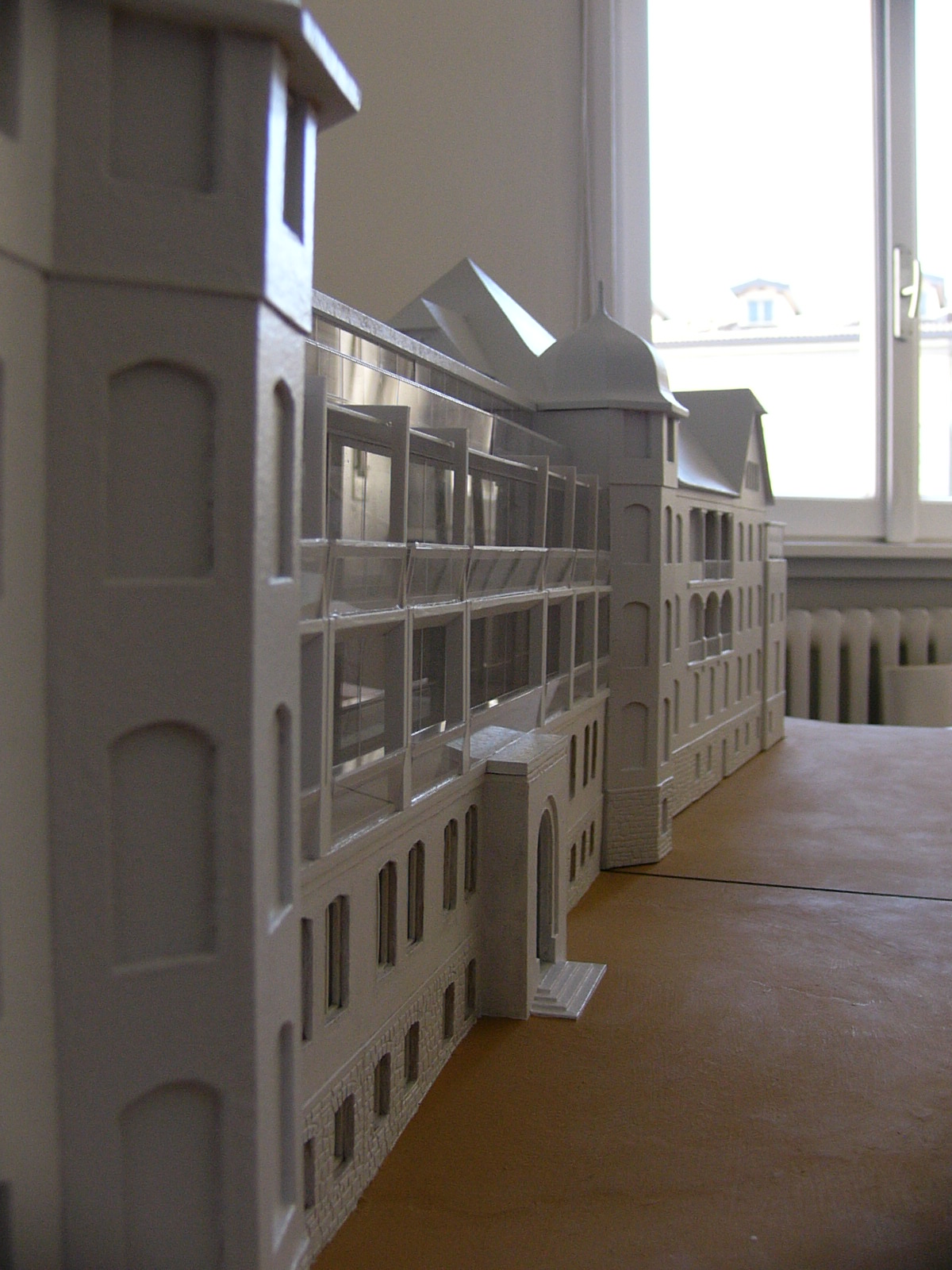
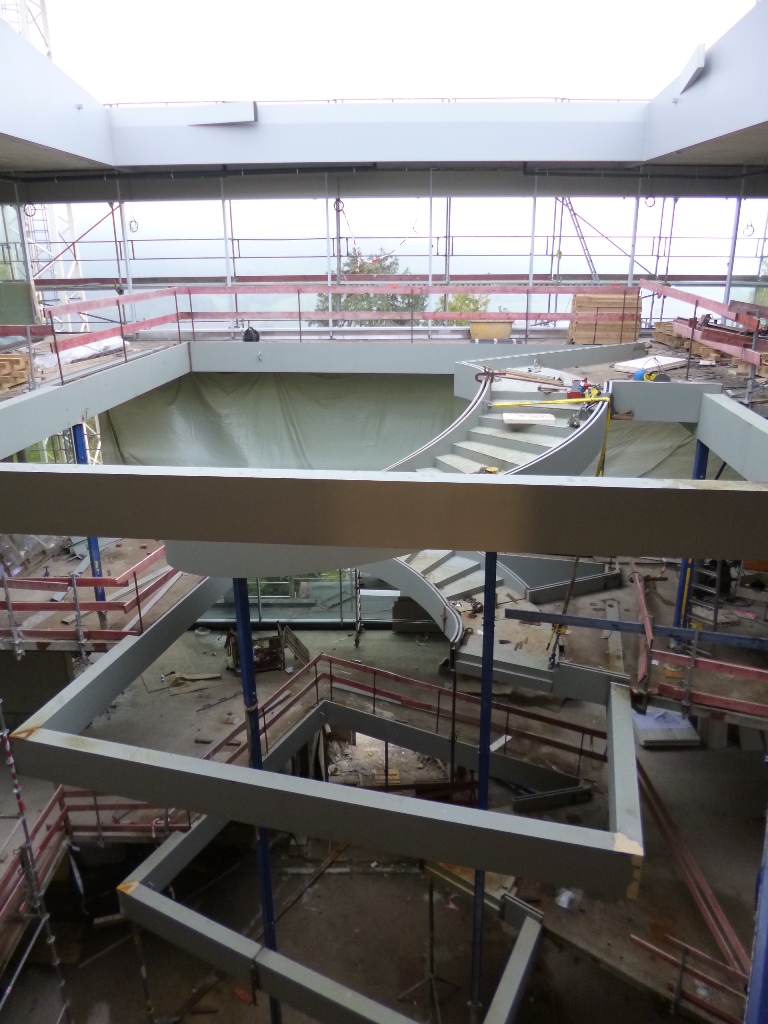
The new headquarters of B.Braun in Melsungen, Germany, represents a remarkable transformation: an original sanatorium, thoughtfully designed by architects Gropius & Schmieden, has been reimagined and adapted for contemporary corporate use. The inherent inspiration for this project stemmed directly from the building's original purpose: a medical facility for long-term illness, characterized by its wide, airy rooms and bright, south-facing orientations that allowed for abundant natural light. Furthermore, the sanatorium was strategically situated in a high-value natural area, ensuring optimal, fresh ventilation and providing an ideal environment for healing and well-being—qualities that were carefully preserved and integrated into the new design.
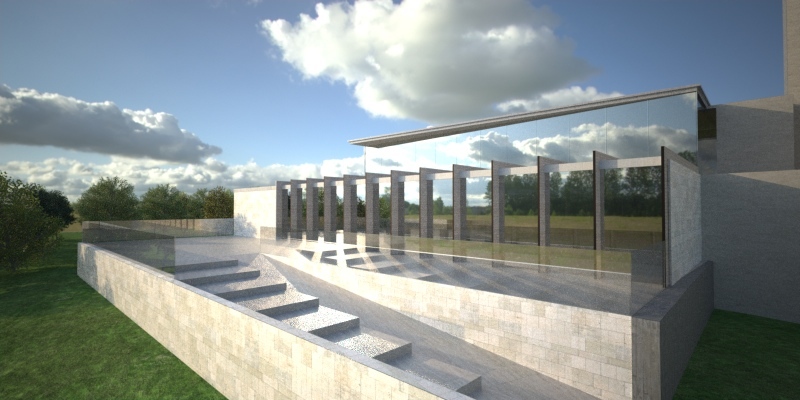
In order for an architectural form to remain legible and relevant over the long term, its primary objective must be Order. This guiding principle becomes even more critical, and indeed, significantly more challenging, when designing a new proposal within a historic building. It demands a sober approach and a willingness to engage in a critical dialogue with the existing structure, maintaining a thoughtful distance rather than imposing a radical, disconnected vision. While this path is undeniably more difficult, it ultimately allows one to transcend the "chaos of the 'rockers of architecture'"—those who prioritize ephemeral eccentricity—and thus to be genuinely recognized as the authors of a serious and well-considered architectural reflection. The goal is not to merely adapt, but to elevate through thoughtful intervention.
This philosophy echoes Le Corbusier's profound insight that "the work of art is a game of which the author has created the rule... the author has created the rule but it must be able to appear to those who try to play." In essence, while the architect establishes the framework, the building's logic must be discernible and its purpose understandable to its users. Conversely, if one were to attempt to find a coherent rule in much of contemporary architectural eccentricity, they would likely discover only the rule of unreadable disorder, a "ghost of diversity in itself" that primarily serves the transient world of communication and fleeting trends, rather than enduring utility or aesthetic clarity. The B.Braun headquarters stands as a serious and meticulously crafted proposal that deliberately avoids such chaos, offering a testament to the enduring power of order and thoughtful design in the built environment. It champions a future where functionality, history, and considered aesthetics coexist harmoniously..